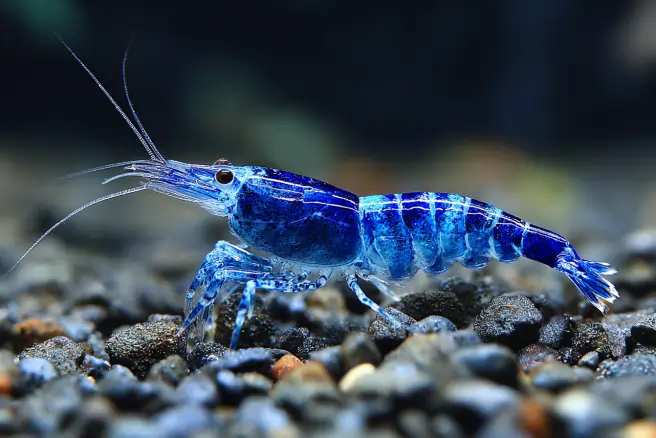
Purchasing freshwater shrimp online has become an increasingly popular option for hobbyists and aquarists. It offers access to a wider variety of species, rare color morphs, and unique genetic lines that may not be available in local stores. To ensure you make a successful purchase, it’s essential to follow a structured process. Below is a detailed step-by-step guide to buying shrimp online.
Finding Reputable Sources with Live Shrimp for Sale
Before making any purchases, it’s critical to identify trustworthy sellers or breeders. Key factors to consider include:
– Reviews and Ratings: Check online reviews from other buyers on platforms like forums, review websites, or social media groups focused on aquatics.
– Certifications: Look for sellers who comply with local regulations or have certifications indicating quality practices.
– Transparency: Reputable sellers often provide clear details about their shrimp – including origin, age, water parameters required, and health status.
Choosing the Perfect Neocaridina Shrimp Species
Freshwater shrimp come in various types with unique care requirements. Understanding what fits your experience level and tank conditions is crucial:
1. Beginner-Friendly Species: Examples include Neocaridina species such as Cherry Shrimp. These are hardy and adaptable to different water parameters. 2. Intermediate Species: Crystal Red Shrimp (Caridina cantonensis) require more stable water chemistry but are highly sought after for their striking patterns. 3. Specialty Species: Rare options like Sulawesi Shrimp demand highly specific environments but can be rewarding for advanced hobbyists.
Checking Availability of Caridina Shrimp
Once you’ve selected the species, verify availability with the seller:
– Ask about stock updates if inventory information isn’t readily visible on the website.
– Reach out directly via email or chat for clarification on sizes or grades (e.g., “PRL” grades for Pure Line Crystal Reds)
Reviewing Shipping Options
The shipping process plays a vital role in ensuring live shrimp arrive safely: – Opt for express shipping wherever possible—most sellers recommend overnight delivery. – Confirm if insulated packaging is included, especially during extreme weather conditions. – Check if heat packs or cold packs will be used based on your regional climate.
| Shipping Option | Best Use Case | Considerations |
| Overnight (Express) | Highly delicate species | Ensures survival; costly |
| Standard 2-Day | Hardy species | Moderate risk |
| International Shipping | Rare imports | May face transit delays |
Understanding Payment Terms
Secure payment methods protect both parties involved: 1. Use platforms like PayPal that offer buyer protection. 2. Avoid direct bank transfers unless you’re working with a well-established breeder. 3. Keep digital records of all transactions and communications with the seller.
Confirming Purchase Details
Once you’ve finalized your choice: – Double-check order details before proceeding to payment (species name, quantity, grade).
– Ensure your shipping address is accurate and up-to-date.
After completing this step-by-step process carefully, you’ll be well-prepared to enjoy introducing new freshwater shrimp into your aquarium ecosystem while minimizing risks associated with online purchases.
Exploring Aquarium Shrimp: How Hobbyists Source Them Online
Sourcing freshwater shrimp online has become increasingly popular among aquarists and hobbyists due to the convenience, diversity, and access to rare species that online platforms provide. Understanding the process and nuances involved can help ensure a smooth experience for hobbyists while protecting the welfare of these delicate aquatic creatures.
Popular Platforms for Purchasing Freshwater Shrimp
- Dedicated Aquarium Retailers: Many specialty aquarium stores operate online, offering a curated selection of shrimp species: https://splashyfishstore.com/collections/freshwater-shrimp-for-sale
- Breeder Websites: Hobbyist breeders often sell directly through their websites or social media channels.
- Online Marketplaces: Platforms like eBay or Etsy sometimes feature listings from individual sellers. While convenient, it is critical to verify seller reputation on such platforms.
- Aquarium Hobbyist Communities: Forums and social media groups can connect buyers with knowledgeable enthusiasts who breed and sell shrimp.
Each platform may vary in terms of reliability, shipping options, pricing structure, and overall transparency. Researching reviews and feedback from other customers is crucial in selecting a trustworthy source.
Evaluating Seller Reputation
- Reading Reviews
Positive customer testimonials are often an indicator of reliability. Reviews can highlight aspects like shipping quality, health of livestock upon arrival, and communication responsiveness. - Examining Certifications or Expertise
Reputable sellers may highlight their certifications (e.g., aquaculture licenses) or experience in raising aquatic life. - Checking for Clear Policies on Shipping and Refunds
Transparent policies reflect professionalism and build trust with potential buyers. - Interacting with Sellers Directly
Asking questions about the shrimp’s care requirements or their breeding practices can provide insights into the seller’s knowledge and dedication.
Factors Influencing Shrimp Selection Online
| Factors | Description |
| Species Availability | Some online platforms offer rare or exotic species not commonly found in local pet shops. |
| Health Guarantees | Sellers often provide guarantees on health or offer refunds/replacements if issues arise. |
| Pricing Transparency | Clear breakdowns of costs including shipping fees ensure there are no hidden surprises. |
| Adaptability | Certain shrimp species may be hardier than others depending on water parameters at home. |
Benefits of Sourcing Freshwater Shrimp Online
- Access to Diversity: A wider range of species is usually available when sourcing from global sellers.
- Convenience: The ability to browse listings anytime provides flexibility in making an informed decision.
- Direct Information Access: Many reputable sellers include care instructions directly on their website or order confirmation materials.
- Community Insights: Online reviews allow buyers to tap into collective experiences within the aquarium community.
Ethical Sourcing Practices
- Choose sellers who practice responsible breeding rather than wild harvesting.
- Verify that shipping practices align with humane treatment standards for aquatic life.
- Support businesses that actively educate buyers about long-term care requirements for their purchases.
By investing time into research and preparation before sourcing freshwater shrimp online, hobbyists can enjoy a rewarding experience while ensuring they contribute positively toward ethical animal care practices within the industry.
Key Principles of Ensuring Shrimp Welfare During Transit
When shipping freshwater shrimp, their welfare during transit is crucial for their survival and health. Whether you’re a breeder, retailer, or hobbyist, understanding the principles that ensure safe and stress-free transportation can make a significant difference in the well-being of these delicate creatures. Below is a guide to the key aspects of maintaining shrimp welfare during transit.
1. Choosing the Right Packaging Materials
- Breathable Bags or Sturdy Plastic Bags: Use high-quality bags specifically designed for aquatic livestock to prevent leaks and maintain water quality.
- Insulated Containers: These help regulate temperature fluctuations, especially in extreme weather.
- Shock-Absorbing Padding: Bubble wrap or foam inserts can protect shrimp against physical shocks.
| Material | Purpose |
| Breathable Bags | Maintain oxygen levels |
| Insulated Containers | Regulate temperature |
| Shock Absorbers | Protect against physical impact |
2. Ensuring Adequate Water Quality
- Stabilize pH Levels: Sudden changes in pH can harm or kill shrimp. Using buffering agents can help maintain stable conditions.
- Ammonia Detoxifiers: Adding ammonia-neutralizing agents ensures toxic buildup does not occur while in transit.
- Minimal Water Volume with Oxygenated Airspace: Shrimp require less water but more oxygen above it to survive longer periods.
3. Maintaining Optimal Temperature
- Use heat packs or cool packs, depending on weather conditions.
- Ensure packs do not come into direct contact with bags containing shrimp; use barriers such as newspaper or foam dividers.
Ideal transit temperatures range between 68°F (20°C) and 77°F (25°C), depending on the specific species’ requirements.
4. Reducing Stress During Handling
- Avoid overpacking bags with too many shrimp to reduce competition for oxygen.
- Keep handling time before shipping as short as possible to prevent undue stress.
Signs of stressed shrimp include erratic movements, loss of coloration, or molting under duress.
5. Timing Shipments Carefully
- Choose express shipping methods that guarantee arrival within 1–2 days.
- Avoid shipping during weekends or public holidays when delays are likely (discussed further under “Shipping Timing and Planning”).
6. Labeling Shipments Properly
- “Live Aquatic Animals”
- “Handle With Care”
This alerts carriers to take extra precautions.
By following these key principles, you can significantly improve the chances of freshwater shrimp arriving at their destination healthy and thriving. Proper preparation ensures both ethical practices and better outcomes for all involved in this fascinating hobby or trade sector.
Shipping Timing and Planning: What to Know About Holidays and Weekends
Proper timing and planning are critical when ordering freshwater shrimp online. Shipping these delicate creatures requires careful consideration of factors like transit windows, potential delays, and the impact of holidays or weekends on logistics. Below is a comprehensive breakdown to help you understand the nuances of shipping timing for freshwater shrimp.
Importance of Timing in Shrimp Shipping
- Transit Duration: Shorter transit times reduce exposure to stressors such as temperature fluctuations or oxygen depletion in packaging.
- Shipping Days: Most vendors ship early in the week (Monday or Tuesday) to avoid shipments sitting in warehouses over the weekend.
- Temperature Conditions: Seasonal weather patterns should be accounted for, as extreme temperatures can harm shrimp during transit.
Impact of Holidays on Shipping
- Courier Schedules: Check whether major couriers (FedEx, UPS) operate on specific public holidays or have adjusted delivery timelines.
- Increased Risk of Delays: High parcel volumes during peak holiday periods may lead to unexpected delays.
- Order Early: Place your order well in advance of holidays to ensure your shipment is processed and delivered without complications.
| Shipping Factor | Key Considerations | Recommendations |
| National Holidays | Couriers might not operate | Avoid scheduling delivery dates near holidays |
| Blackout Dates | Some vendors suspend live animal shipments | Confirm vendor policies before checkout |
| Holiday Volumes | Increased courier load causes delays | Order at least 1–2 weeks ahead |
Managing Weekend Logistics
- Avoid Friday Shipments: Packages shipped late in the week may sit unattended over the weekend, increasing risks of mortality.
- Midweek Shipments Are Ideal: Opt for shipments scheduled between Monday and Wednesday for guaranteed midweek arrival.
- Vendor-Specific Policies: Many reputable vendors plan their shipments specifically around avoiding weekend transit.
Proactive Steps for Buyers
To ensure a smooth shipment process while accommodating timing concerns:
– Communicate with the seller about their preferred shipping schedule. – Monitor your local weather conditions before selecting a delivery date. – Track your package closely for any unexpected delays or reroutes.
By understanding these timing and logistical factors, you can help safeguard the health of your freshwater shrimp while ensuring a seamless transition from seller to buyer.
Shipping Timing and Planning: What to Know About Holidays and Weekends
When purchasing freshwater shrimp online, shipping timing and planning are critical considerations to ensure the health and safety of your shrimp during transit. Holidays, weekends, and other logistical factors can impact shipping schedules, so it is essential to plan accordingly. Below is a detailed guide on what you should know about timing your shipment effectively.
Why Timing Matters for Freshwater Shrimp Shipping
Freshwater shrimp are highly sensitive creatures that require stable environmental conditions during transit. Delays in delivery or prolonged exposure to stressful environments can lead to health complications or even mortality. Proper planning helps mitigate these risks by ensuring shipments arrive as quickly and efficiently as possible.
Key considerations: – Temperature Sensitivity: Extreme temperatures during peak summer or winter seasons can stress shrimp. – Transit Time: The shorter the time in transit, the better the survival rates and overall condition of the shrimp upon arrival. – Courier Schedules: Shipping schedules often differ during public holidays or weekends, which may lead to delays.
The Impact of Holidays on Shipping
Holidays can pose unique challenges for shipping live aquatic animals like freshwater shrimp. Many courier services operate on reduced schedules around major holidays, increasing the likelihood of delays.
- Limited Service Availability: Couriers often do not deliver packages on public holidays.
- Increased Transit Times: Packages shipped right before a holiday may face extended transit durations due to backlogs.
- Carrier Closures: Some carriers may cease operations entirely over long holiday weekends.
To avoid problems when ordering near holidays: 1. Check courier service availability before placing your order. 2. Communicate with the seller about their recommended shipping dates around holiday periods. 3. Avoid placing orders immediately before a major holiday unless expedited shipping is guaranteed.
Weekend Considerations
Shipping near weekends presents similar challenges since most couriers do not deliver on Sundays. If a package containing live shrimp is delayed over the weekend, it increases their time in transit significantly.
Tips for Weekend Planning: – Aim for weekday deliveries—preferably Tuesday through Thursday—to avoid parcels being held at sorting facilities over the weekend. – Ask sellers if they have specific cut-off times for weekend shipments. – Ensure that someone will be available at home to receive the package promptly when it arrives.
| Day | Best Practices |
| Monday | Avoid ordering; shipments may sit in warehouses over weekend. |
| Tuesday | Ideal day for dispatch; allows ample time for midweek delivery. |
| Wednesday | Suitable but monitor tracking closely for possible delays. |
| Thursday | Risky; avoid unless delivery is guaranteed the same week. |
| Friday | Not recommended; high chance of weekend delays en route. |
Preparing Ahead: Communication with Sellers
Good communication with your seller is key to successful timing and planning: 1. Ask about their preferred shipping days and methods. 2. Confirm whether they use insulated packaging or heat/cold packs suited for seasonal conditions. 3. Request tracking details immediately after dispatch so you can monitor progress.
By understanding how holidays and weekends affect logistics, you can make informed decisions that prioritize the welfare of your freshwater shrimp while ensuring a smooth buying experience online.
Post-Checkout Process: Confirmation, Communication, and Setting Expectations
Once you’ve completed the purchase of freshwater shrimp online, the steps that follow are just as important as the buying process. Proper communication with the seller, understanding what to expect during transit, and preparing for arrival help ensure a smooth transition for your shrimp. Below is a detailed breakdown of what happens post-checkout and how you can contribute to their welfare during this critical phase.
1. Order Confirmation
After placing your order, you should receive an order confirmation from the seller. This confirmation typically includes: – Order details: The type and quantity of shrimp purchased. – Shipping information: Expected shipping date and estimated delivery time. – Contact information: The seller’s customer service details for any inquiries.
It is important to review this confirmation carefully to ensure all details are accurate. Notify the seller immediately if there are any discrepancies.
2. Communication With the Seller
Effective communication helps set proper expectations for both parties involved. Here’s what to consider: – Confirm if there are any specific handling instructions for your shipment. – Ask about tracking information so you can monitor the shipment in real-time once it’s dispatched. – Inquire about policies regarding delays or unexpected issues such as unfavorable weather conditions that may affect live animal shipments.
Many reputable sellers will also send updates on shipping status or provide advice on how to prepare your tank before arrival.
3. Understanding Transit Time and Shrimp Welfare
Live freshwater shrimp require careful handling during transit to minimize stress or mortality risks. Here’s what you should know: – Most sellers use insulated packaging with heat packs (if necessary) to regulate temperature during transportation. – Overnight or two-day delivery services are commonly used to reduce travel time.
You can request details regarding transit conditions if they’re not already provided by the seller—this includes water quality parameters like pH levels and oxygenation methods used in transport bags.
4. Setting Expectations for Arrival
Knowing what to expect upon receiving your shipment helps avoid surprises: – Condition of packaging: Look for intact, insulated packaging without signs of damage or leaks. – Acclimation instructions: Ask for specific recommendations on how to acclimate your new shrimp safely into their new tank environment—this usually involves temperature and water parameter adjustments over a few hours.
Keep in mind that while most shipments go smoothly, it’s possible that some shrimp may arrive stressed due to travel conditions.
Example Checklist Post-Purchase:
| Task | Action Required | Notes |
| Review order confirmation | Verify details such as species, quantity, and shipping info | Contact seller if needed |
| Obtain tracking number | Record tracking number once provided | Monitor shipping progress |
| Prepare tank environment | Ensure suitable water quality (pH, temperature) is maintained | Test water parameters first |
| Inspect package on arrival | Check exterior condition of package upon receipt | Report damages immediately |
By staying proactive throughout these steps—confirmation, communication, monitoring transit progress—you not only protect your investment but also improve outcomes for your freshwater shrimp’s health during their journey into their new habitat.
Preparation Before Arrival: How Freshwater Shrimp Are Ready for Their New Home
Proper preparation before the arrival of freshwater shrimp is essential to ensure they adjust seamlessly to their new environment. This process helps to reduce stress for the shrimp and increases the likelihood of healthy acclimatization. Below are essential steps and considerations to prepare for their arrival.
Setting Up the Aquarium
- Tank Size: Ensure your tank is spacious enough—at least 5-10 gallons for small communities or larger tanks for more extensive setups.
- Temperature: 72°F–78°F (22°C–26°C)
- pH Levels: 6.5–7.5
- Hardness (GH): 4–8 dGH
- Filtration: Use a gentle filtration system, such as a sponge filter, to avoid strong currents that may harm shrimp.
- Fine-grain substrate (e.g., sand) provides optimal conditions for feeding and burrowing.
- Add live plants like Java moss or Anubias to offer hiding spots and natural grazing areas.
Water Cycling
It’s critical that your tank undergoes a complete nitrogen cycle before introducing any shrimp. This process ensures ammonia and nitrite levels are reduced to zero, safeguarding the health of these sensitive creatures.
- Introduce an ammonia source (e.g., fish food or liquid ammonia).
- Monitor water parameters using test kits.
- Wait until beneficial bacteria establish themselves, converting ammonia into nitrite, then into nitrate.
- Perform water changes as necessary once nitrates appear.
Allow at least 4-6 weeks for this process before adding livestock.
Acclimation Equipment
- A clean bucket or container dedicated solely to aquarium use
- Airline tubing for drip acclimation
- A water thermometer to confirm temperature stability
- Test kits to verify water parameters match between transport water and your tank
Having these items ready ensures a smooth acclimation process once your shipment arrives.
Preparing Tankmates
- Research compatibility thoroughly—ensure tankmates won’t predate on or outcompete shrimp.
- Consider peaceful species like small tetras, otocinclus catfish, or snails.
- Feed existing inhabitants prior to introducing new shrimp; this minimizes initial aggression due to food competition.
Final Checklist Before Arrival
| Task | Completed? |
| Aquarium cycled with stable parameters | ✅ |
| Substrate and plants added | ✅ |
| Acclimation equipment prepared | ✅ |
| Research on compatible tankmates | ✅ |
By carefully preparing ahead of time, you create an ideal environment that supports the health and longevity of your freshwater shrimp population while minimizing stress during their transition period.
Preparation Before Arrival: How Freshwater Shrimp Are Ready for Their New Home
Proper preparation before the arrival of freshwater shrimp is critical to ensure their health and well-being. This involves meticulous planning and the establishment of an ideal environment that caters to their unique needs. Below, we outline key steps you can take to make your shrimp’s transition into their new home smooth and stress-free.
Setting Up the Aquarium
- While shrimp can thrive in small tanks, a minimum of 5-10 gallons is recommended for beginners.
- Larger tanks help maintain stable water parameters, reducing stress on shrimp.
- Use fine-grained substrates like sand or specialized shrimp soils. These allow burrowing species to behave naturally and encourage healthy root development for plants.
- Shrimp-specific soils also help stabilize water pH and hardness.
- Sponge filters are highly recommended due to their gentle flow, which prevents harm to delicate shrimp while providing ample surface area for beneficial bacteria.
- Ensure adequate biological filtration to handle waste without risking ammonia spikes.
- Include live plants like Java moss, Anubias, or Marimo moss balls, which offer hiding spaces and grazing surfaces.
- Add decorations like driftwood or rock caves for additional shelter.
| Parameter | Recommended Range |
| Temperature | 72°F–82°F (22°C–28°C) |
| pH Level | 6.5–7.5 |
| Water Hardness | 4–10 dGH |
| Ammonia/ Nitrites | 0 ppm |
Cycling the Tank in Advance
- Nitrogen Cycle: Ensure beneficial bacteria have established in the filter media, converting harmful ammonia into nitrites and eventually nitrates.
- Testing Water Parameters: Use test kits during cycling to confirm ammonia levels are at zero with minimal nitrites before adding your shrimp.
Acclimating Your Shrimp
- Start by floating the sealed bag containing the shrimp in your tank for 15-20 minutes to equalize temperature gradually.
- Set up a drip acclimation system by using airline tubing with a control valve.
- Gradually introduce tank water into the shipping water over a period of 1-2 hours until conditions match closely.
Stocking Density Considerations
- A good rule of thumb is approximately 5-10 dwarf shrimp per gallon, depending on filtration efficiency.
- Avoid housing aggressive or incompatible tankmates that may prey on or outcompete your new arrivals.
Final Touches Before Arrival
- Double-check all equipment such as heaters, filters, and lights are functioning properly.
- Perform a final partial water change (~20%) before introducing the shrimp into the tank.
- Keep stress levels low by maintaining dim lighting during acclimation.
By taking these preparatory steps seriously, you will create an optimal habitat where your freshwater shrimp can thrive from day one.
- How to Buy Freshwater Shrimp for Sale: A Step-by-Step Guide
- Comprehensive Beginner’s Guide to Keeping Aquarium Shrimp
- Comprehensive Guide to Aquarium Shrimp Varieties and Their Unique Traits
- A Beginner’s Comprehensive Guide to Finding and Keeping Live Shrimp for Sale in a Planted Aquarium
- A Comprehensive Guide to the Appearance and Traits of Aquarium Shrimp